

How to Store WPC Decking Before Installation | Vocana
Nov 25, 2026
How to Store WPC Decking Before Installation
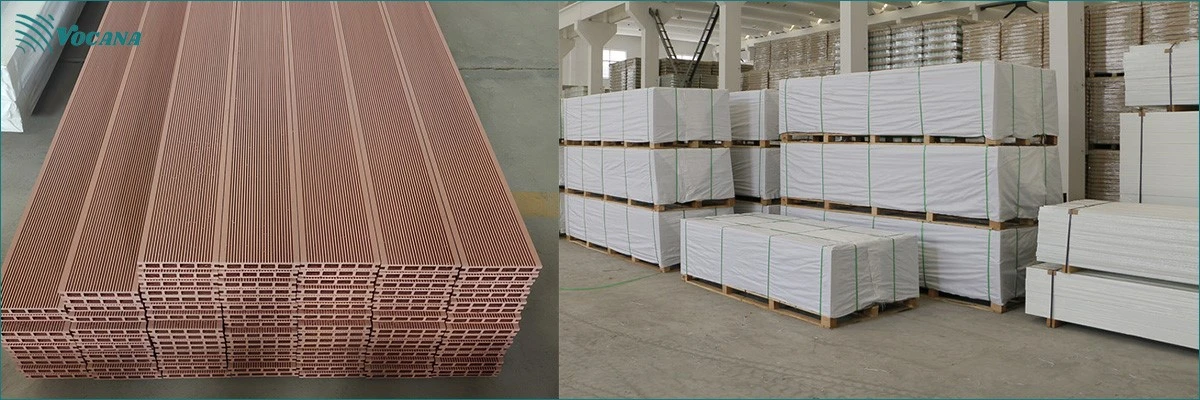
WPC decking can arrive in several forms: long boards, bundled profiles, or smaller modular units.
Storage should match the product format and its approved instructions - not a general temperature, humidity, or stacking rule copied from another brand.
For project buyers, a safe handover starts before unloading: confirm what is arriving, prepare the storage area, and make sure the site team can identify each package without opening every bundle.
1. Confirm the product form before planning storage
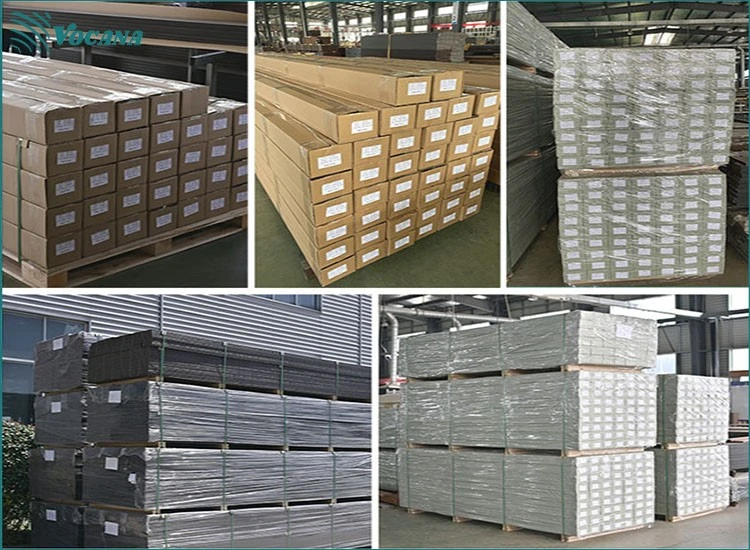
Start with the product code, drawing, board length, construction type, finish and packing method on the quotation or order. Long decking profiles need support along their length and controlled handling.
Modular tiles or click-together units pack and move differently; keep them in their original cartons or units and follow the package instructions. If a shipment contains more than one form, separate the storage plan for each instead of treating all WPC as identical.
Ask the supplier to confirm any product-specific storage limits, including whether the material needs protection from direct sun, rain, standing water, heat sources or prolonged exposure before installation.
If the manual specifies a storage temperature, acclimation period or maximum stack height, use that model-specific instruction. Do not replace it with a universal number.
2. Check the receiving area before the truck arrives
Choose a location that is dry, level, accessible and large enough for the planned bundles or cartons.
Keep stored material away from traffic routes, excavated soil, wet concrete, standing water and areas where other trades may cut, grind or mix materials.
The site should have room to unload and move packages without dragging them across the ground or against walls.
For multi-phase projects, plan a receiving zone and a separate installation-ready zone if space permits. Mark the product code, finish, length or module type, lot and intended area on the storage map.
This helps prevent the wrong profile or color from being issued to a crew and reduces unnecessary rehandling when several orders arrive together.
3. Store long boards on stable, aligned supports
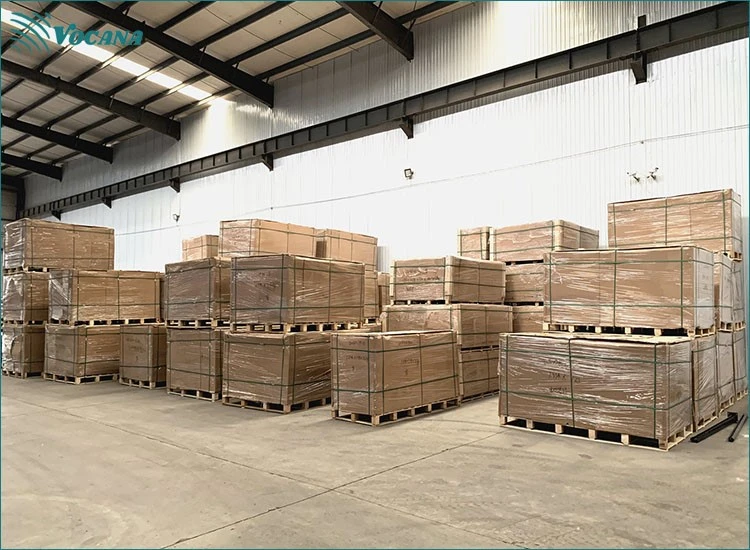
For long WPC boards, use a flat base with continuous or suitably spaced supports arranged according to the product supplier's instructions.
Keep the support arrangement consistent under the bundle, and align supports vertically when stacking packages.
Avoid leaving the ends or middle of a bundle unsupported, because uneven support can allow the material to sag or shift while it is stored.
Do not place long boards directly on soil, grass or an uneven floor.
Check that the base will not move or settle under the package weight. Keep bundles straight, secure and at a stack height approved for the product and packaging.
There is no single safe stack height for every profile, board length or pallet arrangement; the supplier's packaging and handling guidance should control.
4. Keep modular units in their intended packaging
Deck tiles, click modules and small components should be stored as the supplier packed them, unless the instructions require unpacking. Keep cartons flat, protect corners and do not create a mixed stack that can crush lower packages.
Confirm whether the modules are designed to be stacked and whether the packaging itself provides support. Never apply long-board dunnage spacing or lifting assumptions to tile cartons.
When a project includes both boards and modules, identify them clearly in the receiving records.
If the product name "Deck Modular" is used but the actual form is unclear, request a photo of the package, product drawing or SKU before approving a storage method.
5. Protect the surface while allowing the storage area to remain manageable
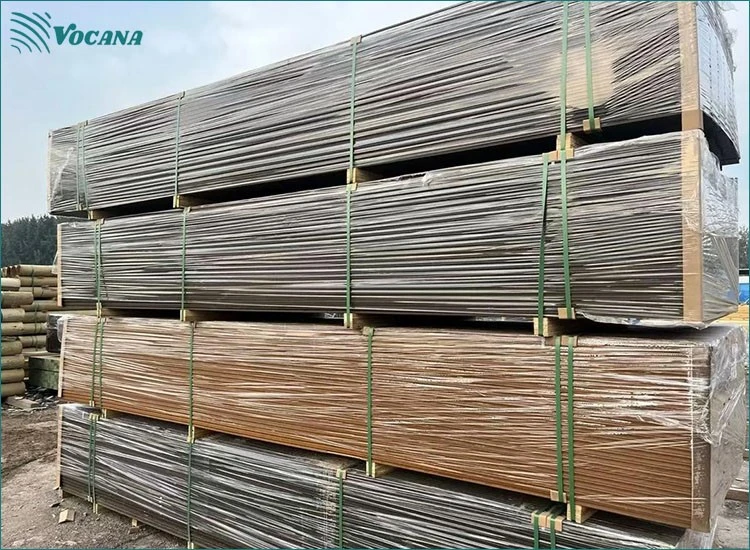
Where outdoor storage is unavoidable, use a suitable protective cover that shields packages from direct weather and sunlight.
Keep the cover secure, but arrange the storage area so that trapped water and condensation are not allowed to accumulate around the goods.
Follow the product instructions for ventilation, covering material and whether packages should remain wrapped.
Do not place wet protective sheets directly against a finished surface for extended periods unless the supplier's guidance permits it.
Check the packages after rain, wind or other site activity. Remove debris and standing water from the storage zone, and replace damaged wrapping when it no longer protects the product.
Protection is useful only if it does not introduce a new moisture or handling problem.
6. Move bundles and cartons without avoidable damage
During unloading, do not dump bundles or drop cartons. Plan lifting equipment, fork access, labor and the route from the truck to the storage area before arrival.
Long profiles should be supported evenly and moved without excessive bending; the handling method must match the package length, weight and equipment capacity. If manual handling is required, use enough people to control the load safely.
Lift packages rather than sliding boards against one another. Avoid dragging tools, straps or equipment over finished faces.
Keep sharp metal parts and loose fasteners away from surfaces. If a bundle shifts, stop and reposition it instead of forcing it into place. These simple controls reduce scratches, dents, broken edges and damage that may only become visible when the package is opened.
7. Separate batches and keep the delivery record
When orders arrive in phases or include several colors and profiles, store them by lot and intended installation area.
Keep labels visible and record the quantity received, package condition, delivery date, product code and any missing or damaged items.
If the project will use materials from more than one production batch, discuss the sequence with the installer before mixing packages across adjacent or visually continuous areas.
Our production and shipping workflow connects the approved order with inspection and packing.
Before shipment, we review the model, dimensions, color, surface, quantity, packaging and visible condition against the order and approved sample.
At the site, the receiving record should continue that reference: it makes discrepancies easier to identify while the goods are still organized and before installation begins.
8. Inspect the packages before issuing material to installers
Open a representative package when the receiving procedure allows it and compare the material with the order.
Check profile identity, finish, quantity, visible damage and the condition of protective packaging.
For boards, any dimensional or geometric checks should use the current model-specific QC criteria rather than a generic tolerance.
For modular units, confirm the components and connectors required by that product are present.
Keep photos and notes for any damage, short quantity, wrong label or questionable surface condition.
Do not install questionable pieces first and try to resolve the issue later.
Separate affected packages, notify the supplier and agree on the next action before the material is distributed across the site.
9. Use a simple site-storage checklist
- Product code, form and package type confirmed
- Storage area dry, level, accessible and protected from site traffic
- Boards or cartons supported and stacked as directed
- Covering and ventilation requirements checked against the product instructions
- Unloading equipment, route and labor planned
- Packages separated by profile, color, batch and installation phase
- Receiving quantity, labels, condition and damage recorded
- Installation team has the approved drawing and current handling instructions
Storage guidance is part of project coordination, not a substitute for the installation manual.
For a quotation or delivery review, send us the product code, board or module format, package photos, destination, unloading equipment and expected installation date.
We can help confirm the packing and supply details before dispatch. For product options, see our WPC decking profiles or the commercial decking solution; for a project-specific review, contact our team.
Request a project handling review
You Might Also Like
-

Slatted WPC Fencing for Semi-Privacy Landscapes | Vocana
-

Solid Core WPC Decking for High-Traffic Projects | Vocana
-
WPC Decking For Botanical Garden Walkways | Vocana
-

Moisture-Resistant WPC Wall Panels for Hotel Bathrooms | ...
-

Fluted WPC Panels for Curved Facades | Vocana
-

WPC Cladding for High-Contact Market Facades | Vocana