

How to Read a WPC Cladding QC Sheet | Vocana
Nov 25, 2026

How to Read a Model-Specific WPC Cladding QC Sheet
Start with the panel you are buying
A WPC fluted wall panel can look similar to another profile while having different dimensions, ribs, material and surface construction.
A photograph of the face does not identify the complete product. Before comparing quality documents, match the panel drawing, product reference and intended use.
An indoor decorative panel should not be accepted for an exterior wall simply because its pattern looks right.
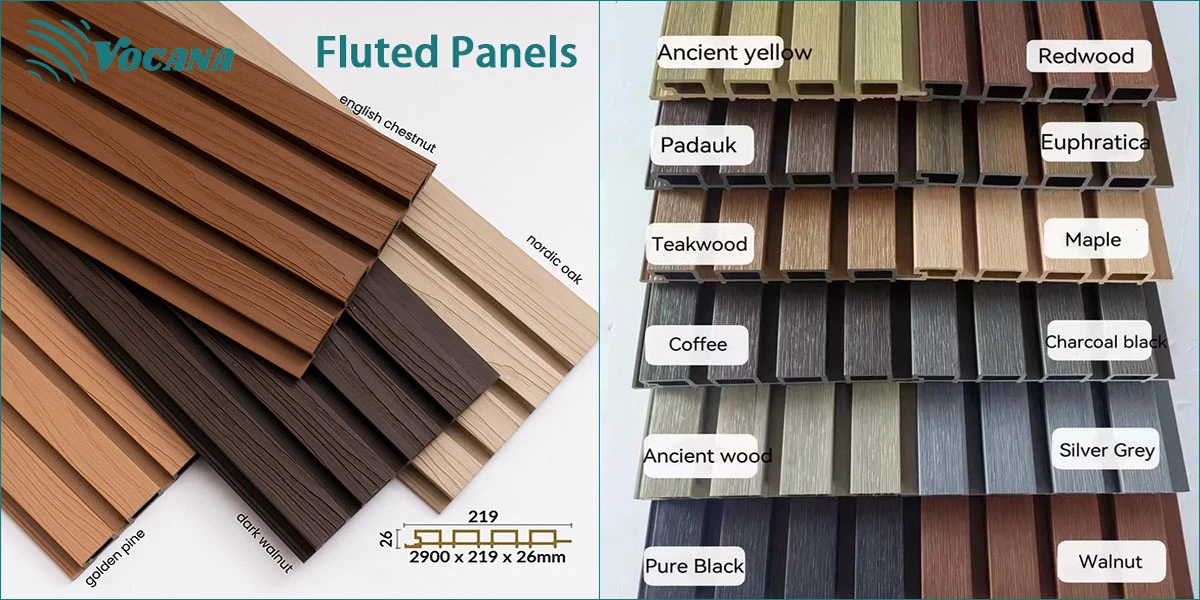
(Vocana WPC Fluted Cladding Designs & Color Map)
Fluted cladding also has more than one dimension that matters. Overall width, depth and useful coverage describe different parts of the profile.
The grooves create the visible pattern, while edges and internal details affect how the selected components fit. A stated size is therefore only the beginning of a product check.
Dimensions and weight help describe manufacturing consistency. They do not, by themselves, establish fire performance, weather resistance or the suitability of a complete facade. Those questions need separate product and project evidence.
Keep the material specification, factory inspection requirements and performance documents connected, but read each for the question it can actually answer.
Our WPC cladding range is a starting point for selecting a profile. Once the model is identified, ask us which inspection sheet applies to the proposed order.
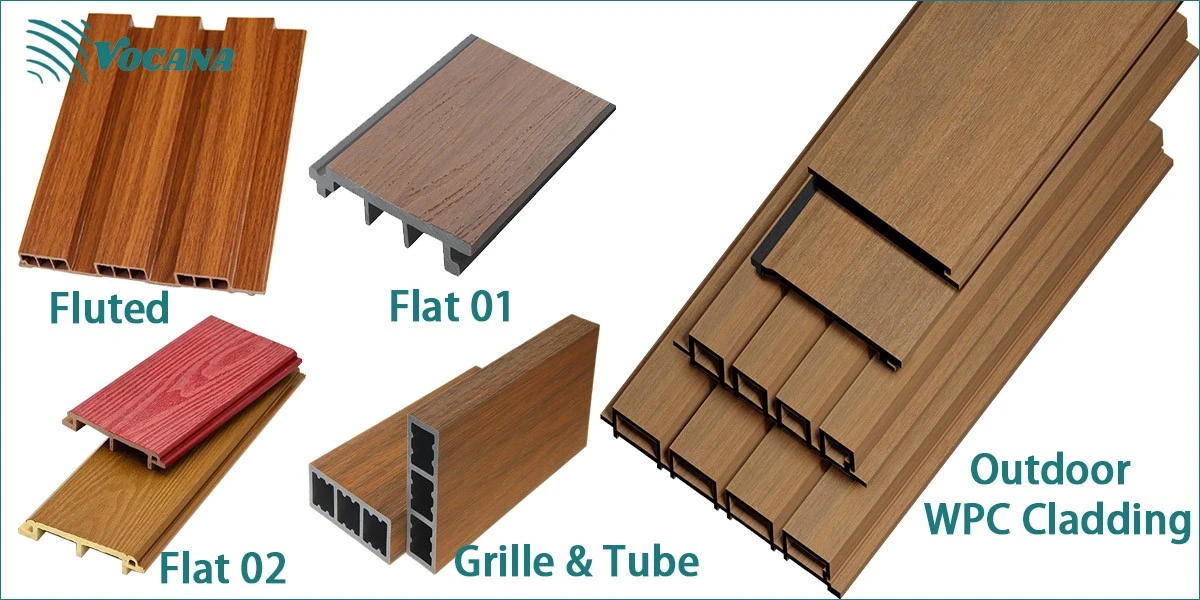
(Vocana WPC Cladding Ranges)
Read the document identity before the limits
Our order records include the product code, cross-section, colour, length, quantity, surface process and packing requirement. We use that written specification with the approved sample to guide production.
When you receive a QC sheet, compare its product description with those order details before reviewing individual numbers.
We recommend keeping the drawing reference and the applicable sheet together. If a sheet has no clear revision or model reference, ask for clarification before treating it as an acceptance document.
A familiar company name at the top cannot resolve a mismatch between the listed profile and the goods being ordered.
Also separate an inspection standard from a completed inspection record. A standard states what should be checked and the relevant limits. It does not show that a particular shipment was measured or accepted.
Ask which document describes the requirements and which records the checks on your order.
Use one model example within its limits
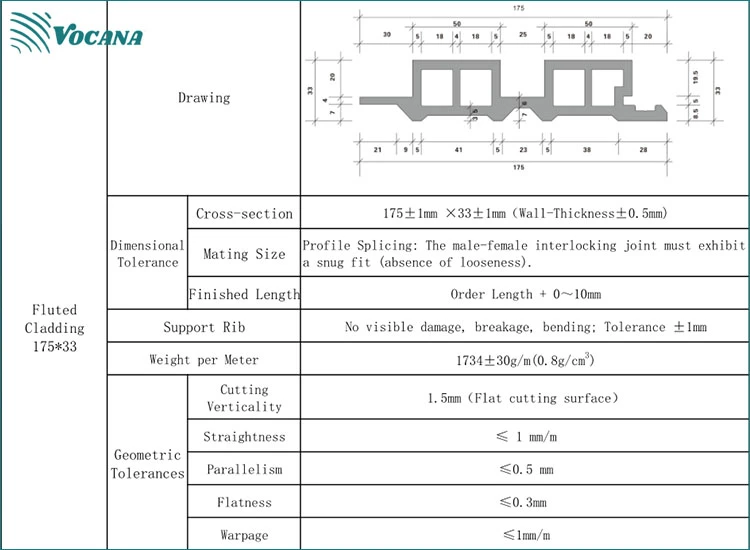
Our documented 175 × 33 mm fluted-cladding QC example gives a section reference of 175 ± 1 mm by 33 ± 1 mm and a weight reference of 1,734 ± 30 grams per metre. These figures belong to that specification. They are not acceptance limits for every Vocana wall panel.
The same example includes checks for geometry and support-rib condition. Use it to understand the level of detail a model sheet can contain, then request the applicable version for the actual product.
Do not transfer a tolerance from this example to a different cross-section, material or manufacturing type.
What our factory checks cover
Our model-specific inspection covers cross-section dimensions, wall thickness, finished length and weight per metre.
We also check cutting condition, straightness, parallelism, flatness and warpage where the profile standard requires them. These items help us describe the board beyond its colour and visible face.
Surface defects, end condition and rib integrity are part of the review. For the documented fluted profile, the rib checks include visible damage, breakage and bending.
The selected standard determines the applicable requirements; a general statement that a board has passed QC should not replace those details.
Before shipment, we compare the goods with the order for model, dimensions, colour, finish, quantity, packing and visible condition.
We can align this release check with the approved sample and the model-specific inspection items. This connects the factory check to what the buyer agreed to receive.
Make the inspection results understandable
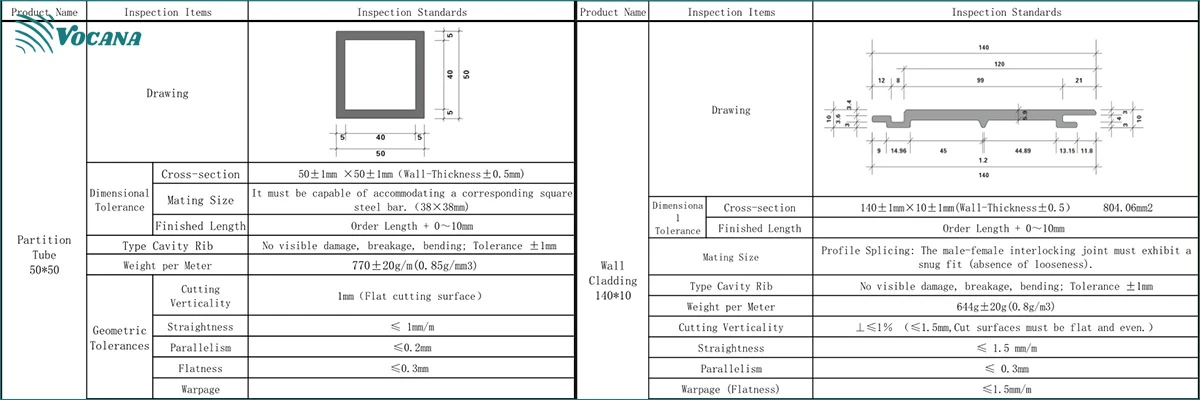
(Vocana WPC Panels Order Fulfillment Standards)
We recommend asking for the ordered model, the inspection date and the goods covered by a record.
For a numerical check, the requirement, unit and recorded result should be understandable together. If the record shows only a tick, ask what that tick confirms rather than assuming it represents a measured value.
Agree on any project-specific inspection documents before production release. Do not assume that every order includes the same sampling plan, photographs or third-party inspection.
If your team needs a particular record format, explain that requirement early so its scope can be confirmed.
Keep a list of unresolved points. A missing unit or unclear product reference is a question to settle, not evidence that the shipment has failed. Likewise, a polished report layout is not a reason to overlook an unanswered question.
Keep performance reports separate
When we review a test report for a project submittal, we check the applicant, sample description, profile or formulation, standard, test date and result. The buyer needs to be able to connect the tested sample with the proposed product. A dimensional inspection sheet cannot replace that connection.
We distinguish historical tests from current product evidence. An older report may document technical experience, but it should not be relabelled as a current certificate for an unrelated model. Request clarification when the sample description or material differs from the order.
For a facade, the project team must also review the complete assembly and local requirements. Our commercial exterior cladding guide explains the supply and project-review context. Factory dimensional acceptance is only one part of that larger review.
Connect the approved record to packing
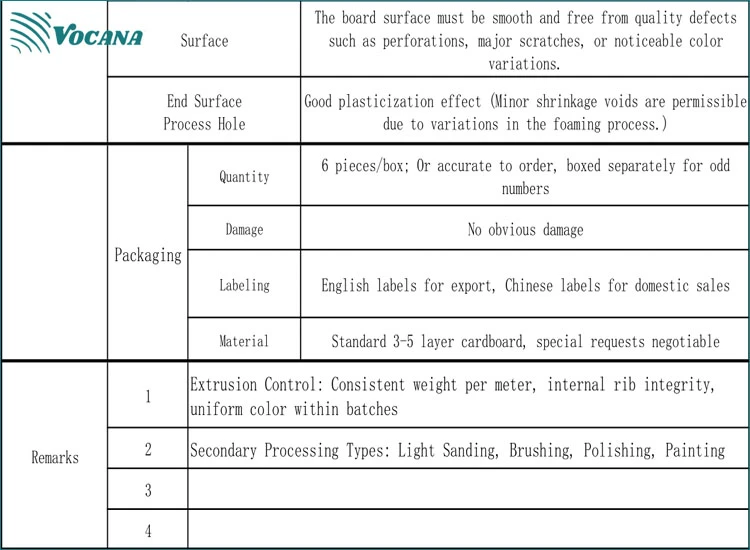
Our QC requirements include packaging quantity, visible damage, labels and carton requirements.
A board that met its dimensional checks can still become unusable if it is damaged during bundling.
Packing therefore belongs in the acceptance discussion, not only in the freight discussion.
We recommend matching the agreed product reference and quantities across the order, release information and packing list.
For mixed profiles or finishes, make the distinctions clear. If the buyer requests additional identification on cartons, confirm the wording and scope with the packing requirements before the goods are prepared.
Resolve changes before release
We ask for order changes in writing. If preparation or production has already started, we review the work completed and any effect on delivery before accepting a revision.
The approved sample, order specification and applicable inspection requirements should remain consistent after that change.
Send us your proposed profile, drawing, finish, quantity and required project documents. Include any inspection format your buyer or consultant needs. We can review which QC information applies and identify questions to resolve before production.
Contact our team to request a model-specific document review.
Request a cladding QC document review
You Might Also Like
-

Anti-Slip WPC Pool Decking for Southeast Asia Resorts | V...
-

Waterproof WPC Flooring for Poolside & Resort Areas | Vocana
-

Weatherproof WPC Decking for Coastal Boardwalks | Vocana
-

Low-Maintenance WPC Fence Panels for Villa Gardens | Vocana
-

WPC Batten Cladding for Schools & Museums | Vocana
-

Rural WPC Timber Cladding for Farmhouses & Lodges | Vocana