

Hotel Exterior Renovation Low-Maintenance Facade System for Long-Term Cost Reduction
Architectural & Engineering Snapshot
Hotel exterior renovation rarely fails because of poor architectural concepts. More often, failure begins after project handover when facade materials require repeated repainting, moisture repairs, sealant replacement, or complete panel renewal years earlier than anticipated. Every maintenance cycle increases operational costs, interrupts hotel occupancy, and affects guest experience.
For hospitality operators, facade selection has become a long-term asset management decision rather than simply an aesthetic specification. Materials are now expected to satisfy building code requirements while reducing maintenance frequency, controlling lifecycle expenditure, and maintaining visual consistency under continuous UV exposure, rainfall, humidity, and urban pollution.
Flexural Strength:
>28 MPa tested according to ASTM D7032, supporting long-span facade applications with stable mechanical performance.
Water Absorption:
<1.0% after immersion testing based on EN 15534, reducing moisture-related swelling, decay, and biological deterioration.
Slip & Surface Performance:
Surface technology compatible with DIN 51130 R10–R11 textured finishes used throughout coordinated exterior architectural systems.
Accelerated Weather Resistance:
Stable appearance after 2,000-hour QUV ASTM G154 accelerated aging with controlled colour variation and protective co-extrusion layer.

Selecting decorative WPC cladding for hotel renovation is no longer simply a design preference - it is a lifecycle investment that directly affects maintenance budgets, building appearance, operational continuity, and long-term asset value.
Hotel facades experience continuous exposure to ultraviolet radiation, driving rain, airborne pollutants, thermal cycling, coastal salt spray, and seasonal humidity fluctuations. Traditional materials such as painted timber, PVC siding, aluminium composite panels, and conventional fibre cement frequently require recurring repainting, sealant replacement, panel repairs, or premature refurbishment during the operational life of a hospitality property. These maintenance interventions increase labour costs, generate guest disruption, and often force temporary closure of occupied areas.
Modern composite cladding panel systems address these operational challenges by combining recycled wood fibre, high-density polyethylene, UV stabilisers, mineral additives, and a co-extruded protective cap into a single engineered facade assembly. Rather than relying on periodic surface coatings, the weather-resistant outer layer protects the structural core against moisture ingress, colour fading, biological attack, and environmental erosion.
For hotel owners, developers, architects, facade consultants, and EPC contractors, material selection increasingly focuses on measurable engineering performance rather than appearance alone. Fire classification, thermal movement, moisture resistance, installation efficiency, maintenance frequency, embodied carbon, and total ownership cost now carry equal importance during specification.
This guide examines why conventional facade systems deteriorate in hotel environments, how engineered durable WPC siding mitigates these failure mechanisms, and which technical parameters should be evaluated before selecting an exterior facade solution for renovation projects.
Key Takeaways for Architects & Contractors
Co-extruded decorative WPC cladding significantly reduces facade maintenance frequency by resisting UV degradation, moisture penetration, biological growth, and paint failure without routine recoating.
Ventilated rainscreen facade assemblies using composite building materials improve moisture management, minimise thermal stress, and help preserve insulation performance throughout long-term building operation.
Compared with painted timber or conventional facade finishes, a properly designed WPC cladding solution typically delivers lower 20-year ownership costs through reduced labour, fewer replacement cycles, and simplified maintenance planning.
Why Conventional Hotel Facades Deteriorate Faster Than Expected (The Mechanics of Failure)
Hotel buildings present one of the most demanding operating environments for exterior envelope materials. Unlike residential buildings that may tolerate occasional cosmetic deterioration, hospitality facilities remain under constant public visibility. Minor facade defects - including fading, staining, cracked coatings, warped panels, or biological growth - can immediately influence guest perception and brand image.
From an engineering standpoint, facade deterioration rarely results from a single environmental factor. Most failures originate from multiple degradation mechanisms acting simultaneously over many years.
Understanding these mechanisms enables architects and specification consultants to select facade systems based on measurable performance rather than initial purchase price.
Continuous Ultraviolet Exposure Accelerates Polymer and Coating Degradation
Solar radiation remains one of the primary causes of premature facade ageing.
Ultraviolet wavelengths gradually break polymer molecular chains through photo-oxidation reactions. Conventional paint systems lose binder integrity, pigments oxidise, and protective coatings become increasingly brittle.
Typical consequences include:
Surface chalking
Colour fading
Reduced impact resistance
Micro-cracking
Loss of surface gloss
Increased dirt adhesion
Natural timber experiences additional degradation because ultraviolet exposure destroys lignin within wood fibres. As lignin decomposes, cellulose fibres become exposed, producing the familiar grey weathered appearance observed on untreated timber facades.
Although repainting temporarily restores appearance, it cannot reverse substrate degradation occurring beneath the coating.
Moisture Penetration Creates Progressive Structural Damage
Water intrusion represents another major source of long-term facade failure.
Rainwater entering joints, fastener penetrations, or unprotected panel edges repeatedly wets structural materials. During daily temperature fluctuations, absorbed moisture expands and contracts, generating internal stresses throughout the facade assembly.
In timber systems, repeated wetting encourages:
Fungal decay
Mould development
Cell wall expansion
Surface checking
Dimensional instability
PVC-based cladding experiences different challenges.
Extended thermal exposure softens polymer chains, while moisture entering poorly detailed joints accelerates fastening failures and local deformation.
Traditional fibre cement panels remain dimensionally stable but often develop cracking around fixing points when subjected to repeated moisture cycling combined with restrained thermal movement.
These degradation mechanisms become substantially more severe in tropical climates, coastal resorts, and high-humidity hotel environments where drying periods remain limited.
Thermal Expansion Generates Hidden Stress Within the Facade System
Exterior walls undergo continuous temperature variation throughout every day.
Dark-coloured facades installed in desert climates may experience surface temperatures exceeding 70°C during peak solar exposure before cooling rapidly after sunset.
Each thermal cycle generates expansion and contraction throughout the facade system.
If movement joints are incorrectly designed or omitted entirely, internal stresses accumulate around fixing clips, screw locations, panel joints, and supporting subframes.
Common symptoms include:
Buckled facade panels
Distorted joint alignment
Screw pull-out
Clip deformation
Joint opening
Water penetration around connections
Rather than indicating material failure alone, these issues frequently reflect inadequate allowance for differential thermal movement between facade panels and supporting aluminium framing.
Biological Degradation Continues Long After Moisture Enters the facade
Unlike structural movement, biological deterioration often develops slowly and remains hidden until extensive repair work becomes necessary.
Hotel buildings located in tropical regions, coastal destinations, mountain resorts, or areas with prolonged rainy seasons are particularly vulnerable because facade surfaces remain damp for extended periods. Persistent moisture creates favourable conditions for mould spores, algae, mildew, and fungal organisms to colonise porous building materials.
Natural timber is especially susceptible because wood fibres contain cellulose and hemicellulose that serve as nutrient sources for biological organisms. Even pressure-treated timber gradually loses effectiveness once protective coatings deteriorate or exposed end grains absorb moisture.
Typical biological deterioration includes:
Surface mould staining
Green algae accumulation
Black mildew streaking
Soft rot
Brown rot
White rot
Insect infestation in untreated timber
These conditions rarely compromise appearance alone. Biological contamination often increases cleaning frequency, accelerates coating failure, and creates maintenance concerns around entrances, balconies, outdoor dining areas, and guest terraces.
For hotel operators, recurring facade cleaning becomes an operational expense rather than a one-time maintenance task.
Coastal Salt Spray Accelerates Material Corrosion
Luxury resorts, beachfront hotels, cruise terminals, and waterfront commercial developments experience another challenge that inland buildings seldom encounter - chloride-rich marine environments.
Salt-laden air continuously deposits chloride ions onto facade surfaces.
While timber suffers moisture retention and biological attack, exposed steel fasteners may develop corrosion if incorrect material grades are specified. Aluminium composite panels can also experience coating degradation when protective finishes are damaged, allowing aggressive marine environments to attack the substrate.
Critical facade components requiring careful specification include:
Mechanical fasteners
Support brackets
Expansion anchors
Aluminium subframes
Joint sealants
Drainage flashings
For coastal hotel renovation projects, facade durability depends on the complete wall assembly rather than decorative panels alone.
Vocana Engineering typically recommends marine-grade 316 stainless steel fasteners together with anodised or powder-coated aluminium support systems for projects located within high salt exposure zones.
Fire Safety Has Become a Primary Specification Requirement
Following several high-profile facade fire incidents worldwide, hospitality developers increasingly evaluate exterior wall systems using recognised international fire standards rather than relying solely on manufacturer declarations.
Typical engineering considerations include:
Surface flame spread
Smoke development
Heat release rate
Fire barrier integration
Cavity compartmentation
Combustibility of insulation materials
Local building code compliance
Material selection should always be coordinated with project-specific regulations and facade engineering consultants.
A compliant facade is never determined by the decorative panel alone.
The following components collectively influence fire performance:
Exterior cladding
Aluminium framing
Fire-stop barriers
Ventilated cavity design
Mechanical fixings
Insulation system
Joint detailing
Early coordination between architects, facade engineers, fire consultants, and contractors significantly reduces approval risks during design review.
Engineering Material Solution for Hotel Exterior Renovation
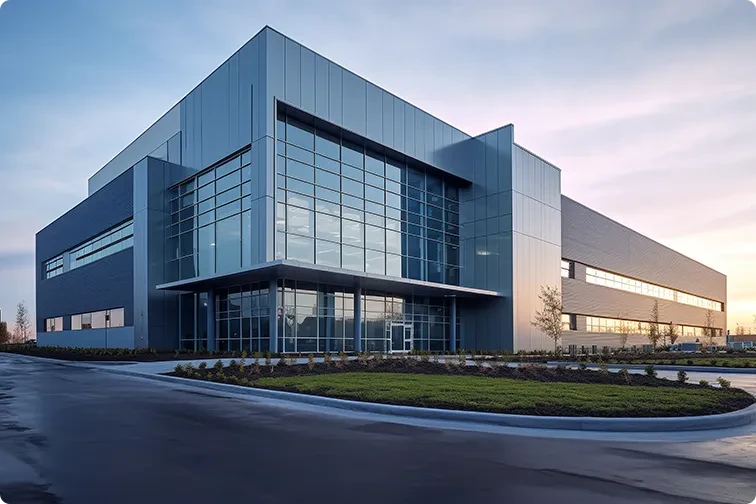
Rather than treating the decorative surface as an isolated architectural finish, modern facade engineering approaches the exterior envelope as an integrated performance system.
A properly designed WPC cladding solution combines structural stability, environmental resistance, installation efficiency, and predictable maintenance into one coordinated assembly.
For hospitality renovation projects, the recommended facade system generally consists of:
Decorative co-extruded WPC cladding boards
Ventilated aluminium subframe
Concealed stainless steel fixing clips
Continuous ventilation cavity (typically ≥20 mm)
Moisture barrier or breathable membrane
Thermal insulation where required
Expansion joints designed according to local temperature ranges
This ventilated rainscreen configuration separates weather protection from structural support.
Instead of trapping moisture behind the decorative layer, the cavity promotes continuous airflow that allows incidental water to drain and evaporate naturally.
Benefits include:
Reduced moisture accumulation
Improved insulation efficiency
Lower condensation risk
Extended service life of supporting structures
Easier future maintenance access
More consistent facade appearance
Compared with traditional adhered facade systems, ventilated assemblies also minimise hydrostatic pressure behind the cladding during heavy rainfall.
Why Co-Extruded WPC Performs Better Than First-Generation Composite Boards

Early generations of composite cladding often exposed wood fibres directly to the weather.
Without an encapsulated protective layer, moisture gradually entered the composite core, resulting in:
Surface oxidation
Colour fading
Increased staining
Roughened surfaces
Reduced cleaning performance
Modern exterior composite WPC panels use co-extrusion technology.
A dense polymer cap surrounds the structural composite core, creating an engineered weather barrier against UV radiation, moisture, pollutants, and biological contamination.
Typical advantages include:
| Engineering Characteristic | Conventional Composite | Co-Extruded Decorative WPC Cladding |
|---|---|---|
| UV Resistance | Moderate | Excellent long-term colour stability after accelerated QUV exposure |
| Moisture Protection | Exposed composite core | Fully encapsulated protective cap |
| Cleaning Frequency | Higher | Lower due to reduced dirt adhesion |
| Surface Hardness | Moderate | Increased scratch resistance |
| Colour Consistency | Gradual fading | Improved long-term appearance retention |
Technical Specifications Table
The following engineering parameters are commonly requested in hotel facade specifications and tender evaluations.
| Engineering Parameter | Test Standard | Typical Vocana Performance | Recommended Product |
|---|---|---|---|
| Flexural Strength | ASTM D7032 | >28 MPa | Co-Extruded WPC Wall Cladding |
| Water Absorption | EN 15534 | <1.0% | Exterior Composite Cladding |
| Accelerated Weathering | ASTM G154 | 2,000-hour QUV tested | Decorative WPC Cladding |
| Thermal Expansion Coefficient | ISO 11359 | Approximately 3.5 × 10⁻⁵ /°C | Co-Extruded Wall Panel |
| Fastener System | Engineering Specification | Concealed SS304 / SS316 Clips | Complete Cladding System |
| Fire Classification* | EN 13501 (Project Dependent) | Available according to the project specification | Commercial Facade System |
| Surface Finish | Visual Inspection | Wood grain / Brushed / Modern Linear Texture | Decorative Series |
| Installation Method | Engineering Standard | Ventilated Aluminium Subframe | Full facade Assembly |
Note: Fire performance depends on the complete wall assembly - including insulation, subframe, cavity barriers, and fixing system - not solely on the cladding board. Final compliance should always be verified against local building regulations and project-specific fire engineering requirements.
Expert Tip from the Vocana Engineering Team:
During hotel renovation, never align vertical joints of decorative WPC cladding directly above window corners or balcony slab transitions. These locations experience the highest concentration of thermal and structural stress. Offset panel joints by at least one framing module and maintain a continuous ventilated cavity of no less than 20 mm. This approach improves moisture drainage, reduces differential movement around openings, and significantly lowers the likelihood of joint cracking or visible alignment distortion over the building's service life.
Total Cost of Ownership (TCO) Analysis

For hotel owners and real estate investment groups, facade specification should be evaluated over the operational life of the property rather than the initial procurement budget.
Unlike office buildings that may tolerate periodic maintenance, hotels operate continuously. Exterior refurbishment often requires scaffolding, guest room access restrictions, noise control measures, safety barriers, and additional labour scheduling. Even minor facade repairs can affect occupancy rates and guest satisfaction.
From an asset management perspective, the relevant question is not:
"Which facade material costs less today?"
Instead, project owners should ask:
"Which facade system delivers the lowest maintenance expenditure during the next 20 years?"
This lifecycle approach is widely adopted by hospitality developers, hotel operators, and facility management teams because operational expenses typically exceed the initial material cost over the building's service life.
Lifecycle Cost Drivers for Hotel Facades
Several recurring expenses should be considered during specification.
Labour Costs
Exterior maintenance often represents the largest long-term expense.
Typical maintenance activities include:
Repainting
Joint resealing
Damaged panel replacement
Pressure washing
Biological contamination removal
Fastener replacement
Access equipment rental
For high-rise hotels, labour costs frequently exceed material costs due to scaffold erection, suspended platforms, or rope-access requirements.
Reducing maintenance frequency therefore delivers measurable operational savings.
Guest Disruption
Hotels cannot simply close operations whenever facade maintenance is required.
Exterior work may involve:
Restricted balcony access
Temporary closure of guestrooms
Construction noise
Dust control
Safety fencing
Limited outdoor dining use
These indirect costs rarely appear in construction budgets but significantly influence long-term property profitability.
Surface Finishing Costs
Painted timber facades generally require repeated maintenance throughout their service life.
Typical maintenance cycles include:
Surface cleaning
Sanding
Primer application
Repainting
Localised repairs
Material costs remain relatively modest.
Labour, however, continues to increase throughout the building lifecycle.
Co-extruded decorative WPC cladding eliminates scheduled repainting because colour protection is integrated into the weather-resistant surface layer rather than relying on external coatings.
Estimated 20-Year Lifecycle Comparison
The following comparison illustrates typical maintenance trends observed in commercial hospitality projects. Actual project costs vary according to climate, labour rates, building height, and maintenance strategy.
| Evaluation Category | Painted Timber | Fibre Cement | Aluminium Composite Panel | Decorative WPC Cladding |
|---|---|---|---|---|
| Scheduled Repainting | Every 4–6 years | Local repairs | Usually not required | Not required |
| Routine Cleaning | Moderate | Moderate | Moderate | Low |
| Moisture Repair Risk | High | Medium | Low | Very Low |
| Colour Stability | Moderate | Moderate | Good | High after QUV testing |
| Biological Growth | High | Moderate | Low | Very Low |
| Estimated Major Refurbishment | 10–15 years | 15–20 years | 20+ years | 20+ years with routine inspection |
| Operational Disruption | High | Medium | Medium | Low |
| Long-Term Maintenance Budget | Highest | Medium | Medium | Lowest among the compared systems |
Although decorative WPC cladding may involve a higher initial material investment than painted timber, the reduction in repainting, repair labour, and operational interruption generally produces a lower Total Cost of Ownership (TCO) over the building lifecycle.
Return on Investment Beyond Material Cost
Hospitality developments increasingly evaluate facade systems according to asset performance rather than installation cost alone.
A low-maintenance facade contributes value in several measurable ways:
Reduced annual maintenance budgeting
Improved exterior appearance between renovation cycles
Lower facility management workload
Fewer guest complaints related to construction activities
More predictable long-term capital planning
Extended refurbishment intervals
For hotel investment portfolios operating multiple properties, standardising facade materials can also simplify maintenance procedures, spare part management, and future renovation planning.
Engineering Scenario 1 - Coastal Luxury Resort
Project Conditions
A beachfront resort experiences continuous exposure to:
High humidity
Salt-laden air
Tropical rainfall
Strong ultraviolet radiation
Wind-driven sand
These environmental conditions accelerate corrosion, coating degradation, and biological growth.
Traditional painted timber facades often require repainting within several years, while improperly detailed composite systems may experience staining and moisture retention.
Recommended Engineering Strategy
A ventilated facade assembly using co-extruded decorative WPC cladding provides several advantages:
Encapsulated composite surface reduces moisture penetration.
Aluminium subframe promotes continuous drainage and ventilation.
Marine-grade SS316 concealed fasteners improve corrosion resistance.
A ventilated cavity accelerates drying after heavy rainfall.
Reduced organic exposure limits mould development.
Additional design recommendations include:
Minimum 20 mm ventilation cavity
Continuous flashing above openings
Open drainage paths at the facade base
Corrosion-resistant accessories throughout the facade system
Engineering Scenario 2 - High-UV Urban Hotel Development
Hotels constructed in regions such as the Middle East, Australia, Southern Europe, or North Africa experience intense solar radiation throughout the year.
Dark facade finishes may exceed 70°C during peak summer afternoons.
Daily thermal cycling produces continuous expansion and contraction within facade assemblies.
Common failure mechanisms include:
Joint opening
Surface fading
Coating embrittlement
Sealant deterioration
Differential thermal movement
Recommended facade Design
For these environments, facade consultants typically specify:
Co-extruded UV-resistant WPC cladding
Light-to-medium colour palettes to reduce solar heat absorption
Adequately sized expansion gaps
Aluminium framing with compatible thermal movement characteristics
Concealed fastening systems allowing controlled panel movement
Designing movement joints correctly is often more important than increasing panel thickness.
Proper detailing enables the facade to accommodate thermal movement without generating excessive stress around fixings.
Engineering Scenario 3 - Urban Hotel Renovation Without Business Interruption
Many hotel refurbishment projects cannot suspend normal operations.
Construction activities must therefore minimise:
Noise
Dust
Occupied room disturbance
Installation duration
Material waste
Because decorative WPC cladding is manufactured as modular profiles with concealed fixing systems, installation can often be completed in clearly defined phases.
Benefits for renovation contractors include:
Dry installation process
No wet rendering
Reduced curing time
Lower construction waste
Simplified panel replacement if future damage occurs
Faster installation compared with some traditional facade reconstruction methods
These characteristics are particularly valuable for phased renovations where sections of the hotel remain operational throughout construction.
Sustainability & ESG Considerations
Sustainability has become a core evaluation criterion for hospitality developers, particularly those pursuing green building certifications or corporate ESG objectives.
Material selection increasingly considers environmental performance throughout the entire lifecycle - not solely recycled content.
When assessing composite building materials, architects commonly evaluate:
Service life
Maintenance requirements
Material utilisation
Resource efficiency
Waste generation
Long-term replacement frequency
Co-extruded decorative WPC cladding supports these objectives through several engineering characteristics:
Reduced dependence on periodic repainting
Lower consumption of maintenance chemicals
Long service life with routine inspection
Recycled wood fibre utilisation
Efficient profile manufacturing
Reduced construction waste through modular installation
Because repainting cycles are largely eliminated, projects also reduce the repeated use of coatings, solvents, abrasives, and associated maintenance resources over the building lifecycle.
Rather than evaluating sustainability solely by recycled content, many commercial developers now assess environmental performance using whole-life carbon, maintenance frequency, durability, and operational efficiency.
For hotel projects expected to remain in service for decades, extending refurbishment intervals can significantly reduce the cumulative environmental impact associated with repeated facade replacement.

Specification Recommendations for Architects

Before finalising a hotel facade specification, confirm the following engineering criteria:
Verify compliance with local building and fire regulations.
Select a complete facade assembly rather than individual components.
Design adequate ventilation cavities for moisture management.
Allow for thermal expansion through correctly sized movement joints.
Specify corrosion-resistant fasteners appropriate to the project's environment.
Review accelerated weathering, water absorption, and mechanical performance test data.
Coordinate facade detailing with waterproofing, insulation, and structural systems early in the design phase.
A facade that performs consistently over two decades is rarely the result of a single high-performance panel. It is the outcome of coordinated engineering decisions across materials, detailing, installation, and maintenance planning.
Frequently Asked Questions
What should architects evaluate first when selecting decorative WPC cladding for a hotel exterior renovation instead of comparing material prices alone?
Begin with lifecycle performance rather than initial procurement cost. Review fire classification for the complete wall assembly, accelerated weathering results (such as ASTM G154), water absorption, thermal expansion characteristics, fixing methods, maintenance requirements, and compatibility with local building codes. These factors have a greater influence on long-term operating costs than the material price alone.
How does a ventilated composite cladding panel system improve moisture management in hotel facade renovation projects?
A ventilated rainscreen creates a continuous drainage and airflow cavity between the cladding and the structural wall. This allows incidental moisture to escape instead of remaining trapped behind the facade, helping reduce condensation, mould growth, insulation deterioration, and freeze–thaw damage while extending the service life of the wall assembly.
What installation details are most important for durable WPC siding used on high-rise hotels or commercial buildings?
The structural subframe, expansion joint design, clip spacing, fastener material, and ventilation cavity are all critical. Concealed fixing systems should allow controlled thermal movement, while corrosion-resistant aluminium framing and SS304 or SS316 stainless steel fasteners are recommended according to the project's environmental exposure.
Can exterior composite WPC be specified for hotels located in tropical, coastal, or high-UV climates without increasing maintenance requirements?
Yes, provided the system uses a co-extruded protective cap and is installed as a ventilated facade. The encapsulated surface improves resistance to ultraviolet exposure, moisture ingress, salt spray, and biological contamination. Proper detailing- including drainage paths and movement joints - is equally important to maintain long-term performance.
What international test standards should consultants request before approving a composite building material for a hospitality facade project?
Request project-relevant documentation rather than generic marketing literature. Typical references include ASTM D7032 for mechanical performance, ASTM G154 for accelerated UV weathering, EN 15534 for composite material characteristics, and EN 13501 fire classification for the complete facade assembly where applicable. Third-party laboratory reports provide additional confidence during specification.
How does decorative WPC cladding compare with painted timber over a 20-year operating period for hotel properties?
Painted timber generally requires repeated surface preparation, repainting, and local repairs as coatings weather over time. Decorative WPC cladding does not require scheduled repainting and typically demands only routine cleaning and periodic inspections. Reduced maintenance frequency lowers labour costs, minimises guest disruption, and provides more predictable facility management planning.
Is decorative WPC cladding suitable for renovation projects where the hotel must remain operational during construction?
Yes. Because most systems are installed using dry construction methods and modular profiles with concealed fixings, renovation can often be completed in carefully planned phases. This reduces dust, curing time, construction waste, and disruption compared with traditional facade replacement methods that rely on wet trades or extensive surface reconstruction.
What engineering documents should contractors request before preparing shop drawings or procurement schedules for a commercial facade project?
Before fabrication begins, contractors should obtain profile drawings, CAD installation details, structural fixing recommendations, thermal movement guidance, technical data sheets (TDS), available fire and weathering test reports, colour samples, and project-specific installation manuals. Reviewing these documents early helps minimise design revisions, procurement delays, and installation errors.
Engineering Recommendation for Future Hotel Renovation Projects

The hospitality sector continues to place greater emphasis on operational efficiency, sustainability, and long-term asset performance. As a result, facade systems are increasingly specified as integrated building envelope solutions rather than isolated decorative finishes.
For architects and developers planning new hotels or refurbishing existing properties, material selection should align with four core engineering objectives:
Reduce lifecycle maintenance by selecting facade systems that minimise repainting, repair frequency, and replacement cycles.
Improve building envelope performance through ventilated facade design, effective moisture management, and controlled thermal movement.
Support regulatory compliance by verifying fire performance, mechanical properties, and environmental resistance against recognised international standards.
Protect long-term asset value with materials that maintain appearance and structural integrity across diverse climatic conditions.
By incorporating these considerations during the design stage, project teams can reduce operational risk while improving maintenance predictability over the building's service life.
Why Vocana for Commercial Hotel facade Projects?

Vocana works with architects, facade consultants, contractors, and commercial developers on projects that demand consistent product quality, engineering support, and practical installation guidance.
Our engineering team supports projects through every stage of specification and delivery, including:
Product selection based on project environment and facade configuration
CAD installation details for ventilated cladding systems
Material quantity estimation (Material Take-off)
Profile optimisation for customised facade layouts
Colour and finish recommendations
Technical Data Sheets (TDS)
SGS and third-party test reports were available
Installation guidance for commercial applications
Whether your project involves a boutique hotel renovation, a coastal resort, or a large-scale mixed-use hospitality development, our team can assist in identifying a facade solution that balances design intent with long-term operational performance.
Request Engineering Support
Planning a hotel facade renovation often begins with a set of architectural drawings. Sharing these documents at the early design stage allows our engineering team to provide project-specific recommendations before procurement and construction begin.
We invite architects, consultants, and contractors to submit the following for a complimentary technical review:
Architectural elevations or CAD drawings
Preliminary facade layouts
Material schedules
Project location and climatic conditions
Fire performance requirements
Preferred facade appearance or colour palette
Based on the information provided, Vocana can prepare:
Preliminary material take-off
Recommended cladding profiles
Installation node drawings
Ventilated facade layout suggestions
Sample recommendations
Budgetary quantity estimates
Download Technical Documentation
Technical documentation is available to support specification, tender preparation, and engineering review, including:
Technical Data Sheets (TDS)
Product Catalogues
Installation Manuals
SGS Test Reports
Available Fire Test Documentation
Colour Charts
CAD Profile Drawings
Commercial Project References
These resources help design teams evaluate system compatibility, prepare tender packages, and coordinate facade details with structural, waterproofing, and fire engineering disciplines.
Build a facade designed for the Next Twenty Years
Hotel renovations are long-term investments. Selecting the appropriate facade system should not be based solely on appearance or initial material cost, but on measurable engineering performance throughout the building's operational life.
A well-designed decorative WPC cladding system can help reduce maintenance demands, simplify facility management, improve weather resistance, and support a consistent architectural appearance across years of continuous service.
If you are developing a hotel renovation, resort, serviced apartment, or commercial hospitality project, contact the Vocana Engineering Team to request:
-
Free CAD facade detail review
Project-specific material take-off
Engineering-grade WPC samples
Technical Data Sheets (TDS)
SGS and available performance test reports
Commercial project consultation for facade system selection
Early technical coordination can reduce specification changes, improve installation efficiency, and support a facade solution designed for long-term operational value.