

What kind of paint is suitable for hollow WPC boards?
Jun 30, 2025
Hey there! As a supplier of Hollow WPC boards, I often get asked about the best kind of paint to use on these boards. It's a crucial question because the right paint can not only enhance the appearance of your Hollow WPC boards but also protect them from the elements and wear and tear. So, let's dive into the details and find out what kind of paint is suitable for these boards.
First off, let's understand what Hollow WPC boards are. WPC stands for Wood - Plastic Composite. These boards are made by combining wood fibers or flour with thermoplastics. The "hollow" part means they have a hollow structure inside, which makes them lighter and more cost - effective compared to solid boards. They're commonly used for Deck Terasa WPC, WPC Tile Flooring, and Urban Balcony WPC Flooring.
When it comes to choosing paint for Hollow WPC boards, there are several factors to consider.
Compatibility
The most important thing is to make sure the paint is compatible with the WPC material. WPC boards have a different surface composition compared to traditional wood. They're less porous, which means not all paints will adhere well. You need a paint that can bond effectively to the smooth surface of the WPC. Latex - based paints are usually a great choice. They're flexible, which is important because WPC boards can expand and contract with temperature changes. Oil - based paints might not be the best option as they can be too rigid and may crack or peel over time due to the board's movement.
UV Resistance
Since Hollow WPC boards are often used outdoors, they're exposed to sunlight. Ultraviolet (UV) rays can cause the color of the boards to fade and the material to degrade over time. So, you'll want a paint with good UV resistance. Look for paints that are specifically formulated for outdoor use and mention UV protection on the label. Some high - quality latex paints come with built - in UV inhibitors that can help keep your boards looking fresh and colorful for years.
Water Resistance
Outdoor WPC boards are also at risk of getting wet from rain, snow, or splashing water. A water - resistant paint is essential to prevent moisture from seeping into the boards. Moisture can cause swelling, warping, and even mold growth. Epoxy - based paints are known for their excellent water - resistant properties. They create a tough, waterproof barrier on the surface of the boards. However, they can be a bit more difficult to apply compared to latex paints.
Durability
Hollow WPC boards are used in areas where they might experience some foot traffic or other forms of wear. The paint you choose should be durable enough to withstand this. Acrylic paints are a popular choice for their durability. They can resist scratches, scuffs, and abrasions, making them suitable for high - traffic areas like decks and balconies.
Color and Finish
Of course, you also want the paint to look good. There's a wide range of colors and finishes available. You can go for a matte finish for a more natural look, or a gloss finish if you want a shiny, more polished appearance. Some paints also come with special effects like a wood - grain look, which can enhance the aesthetic appeal of the WPC boards.
Now, let's talk about the application process. Before you start painting, it's important to clean the surface of the Hollow WPC boards thoroughly. Remove any dirt, dust, or debris. You can use a mild detergent and water to clean the boards, and then let them dry completely.
Next, you might want to sand the surface lightly. This will help the paint adhere better, but be careful not to sand too hard as you don't want to damage the board. After sanding, wipe away any dust with a clean cloth.
When applying the paint, follow the manufacturer's instructions. Use a good - quality brush, roller, or spray gun. If you're using a brush or roller, make sure to apply the paint evenly in thin coats. Multiple thin coats are better than one thick coat, as they'll dry faster and be less likely to drip or run.
Let each coat dry completely before applying the next one. The drying time can vary depending on the type of paint and the weather conditions. In general, latex paints dry faster than oil - based or epoxy paints.

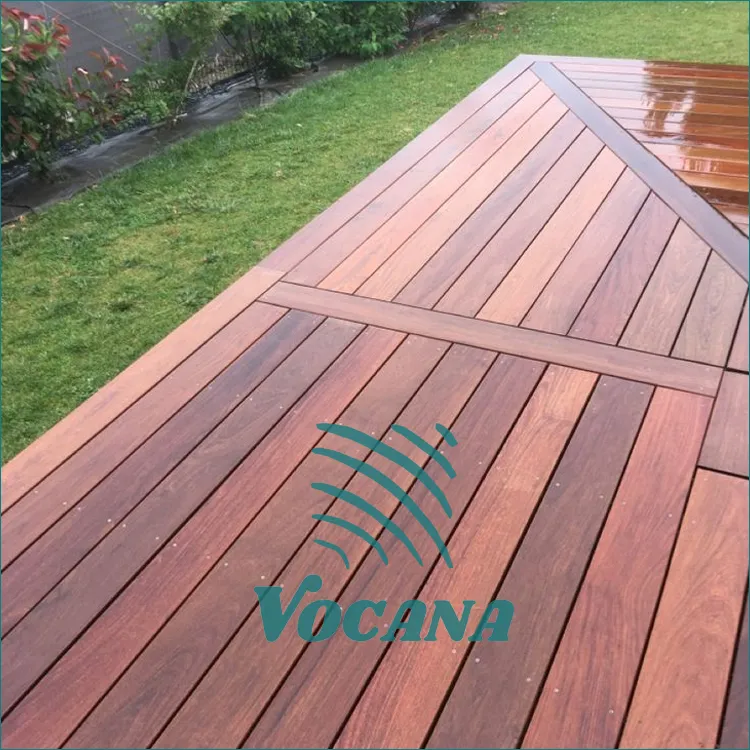
After the paint has dried, give it some time to cure. Curing is the process where the paint fully hardens and reaches its maximum durability. This can take a few days to a week, so avoid walking on or using the painted boards during this time.
In conclusion, when it comes to painting Hollow WPC boards, latex - based paints are usually a great starting point. They offer good compatibility, UV resistance, water resistance, and durability. But depending on your specific needs, you might also consider epoxy or acrylic paints.
If you're in the market for Hollow WPC boards or have any questions about painting them, feel free to reach out. I'm here to help you make the best choice for your project. Whether you're building a Deck Terasa WPC, WPC Tile Flooring, or Urban Balcony WPC Flooring, I can provide you with high - quality boards and offer advice on the right paint to use. Let's work together to create a beautiful and long - lasting outdoor space!
References
- "The Ultimate Guide to WPC Decking" - A comprehensive guide on WPC products and their maintenance.
- Paint manufacturer's product brochures for information on paint properties and application.