

How long does WPC wooden ceiling last?
Jul 22, 2025
WPC, or Wood - Plastic Composite, has emerged as a popular choice for ceiling applications in recent years. As a WPC wooden ceiling supplier, I often get asked the question: "How long does WPC wooden ceiling last?" In this blog, I'll delve into the factors that influence the lifespan of WPC wooden ceilings and provide an estimate based on scientific knowledge and real - world experience.
Factors Affecting the Lifespan of WPC Wooden Ceilings
1. Material Quality
The quality of the WPC material itself is a fundamental factor. High - quality WPC is made from a well - balanced blend of wood fibers and plastic polymers. The wood fibers provide the natural look and feel, while the plastic polymers offer durability and resistance to moisture.
Manufacturers that use high - grade raw materials and advanced production techniques tend to produce WPC ceilings with a longer lifespan. For instance, if the plastic component has good UV - resistance properties, the ceiling will be less likely to fade or degrade when exposed to sunlight.
2. Installation Quality
Proper installation is crucial for the longevity of a WPC wooden ceiling. If the ceiling is not installed correctly, it can lead to issues such as sagging, warping, or even detachment from the mounting structure.
During installation, the ceiling panels should be properly aligned, and the fasteners should be tightened to the right torque. Additionally, the spacing between the panels should be appropriate to allow for natural expansion and contraction due to temperature and humidity changes. A professional installation team can ensure that these requirements are met, thereby extending the lifespan of the ceiling.
3. Environmental Conditions
The environment in which the WPC wooden ceiling is installed plays a significant role in determining its lifespan.
- Moisture: WPC is more resistant to moisture than traditional wood, but excessive moisture can still cause problems. In areas with high humidity, such as bathrooms or basements, the ceiling may be at risk of mold growth or swelling if it is not properly sealed. On the other hand, in dry environments, the panels may experience shrinkage over time.
- Temperature: Extreme temperature fluctuations can also affect the WPC ceiling. High temperatures can cause the plastic component to soften, while low temperatures can make the panels brittle. For example, in an uninsulated attic where temperatures can vary widely throughout the year, the ceiling may degrade faster.
- Sunlight: Prolonged exposure to direct sunlight can cause the WPC ceiling to fade and lose its color. UV rays can break down the chemical bonds in the plastic polymers, leading to a reduction in the material's strength and durability.
4. Maintenance
Regular maintenance can significantly extend the lifespan of a WPC wooden ceiling. Simple cleaning procedures, such as dusting and wiping with a mild detergent, can keep the ceiling looking new and prevent the buildup of dirt and grime.
It is also important to inspect the ceiling periodically for any signs of damage, such as cracks or loose panels. If any issues are detected early, they can be repaired promptly, preventing further damage and extending the overall lifespan of the ceiling.
Estimated Lifespan of WPC Wooden Ceilings
Under normal environmental conditions and with proper installation and maintenance, a WPC wooden ceiling can last anywhere from 15 to 25 years.
In a residential setting, where the environmental conditions are relatively stable and the ceiling is not subject to heavy wear and tear, it is likely to reach the upper end of this range. For example, in a living room or a bedroom, the ceiling may last for 20 - 25 years with minimal issues.
In commercial settings, such as offices or Wholesale WPC Timber Ceiling For Hotels, the lifespan may be slightly shorter, around 15 - 20 years. This is because commercial spaces often have higher traffic and more demanding environmental conditions, such as frequent cleaning and exposure to different types of chemicals.
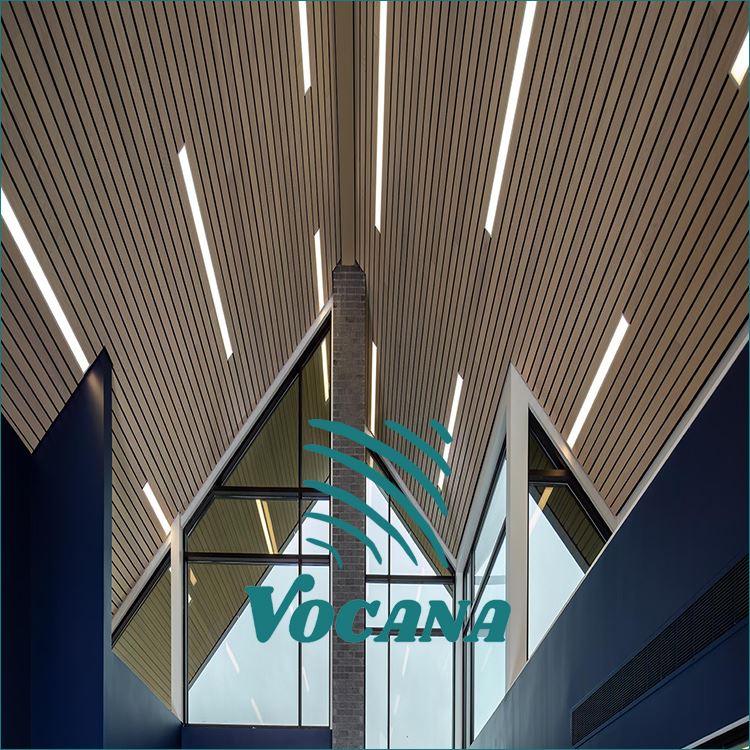

Advantages of WPC Wooden Ceilings in Terms of Lifespan
Compared to traditional wood ceilings, WPC wooden ceilings have several advantages that contribute to their longer lifespan.
- Moisture Resistance: Traditional wood is prone to rot and decay when exposed to moisture, while WPC is much more resistant. This makes WPC ceilings a better choice for areas with high humidity, such as kitchens and bathrooms.
- Pest Resistance: Wood is often a target for pests such as termites and carpenter ants. WPC, on the other hand, is not a food source for these pests, so it is less likely to be damaged by them.
- Low Maintenance: WPC ceilings require less maintenance than traditional wood ceilings. They do not need to be stained or painted regularly, and simple cleaning is usually sufficient to keep them in good condition.
Our WPC Wooden Ceiling Products
As a WPC wooden ceiling supplier, we offer a wide range of high - quality products. Our Wood Grain Fireproof WPC Ceiling Panels not only provide a natural wood look but also have excellent fire - resistant properties, which can enhance the safety of your space.
We also have a Lightweight WPC Ceiling Panels Factory that produces lightweight panels, which are easier to install and handle. Our products are made from high - grade materials and are manufactured using advanced techniques to ensure a long lifespan.
Contact Us for Procurement
If you are interested in purchasing WPC wooden ceilings for your project, whether it's a residential renovation or a commercial construction, we would be more than happy to assist you. Our team of experts can provide you with detailed product information, installation guidance, and competitive pricing.
Contact us today to start a procurement discussion and find the perfect WPC wooden ceiling solution for your needs.
References
- "Wood - Plastic Composites: Materials, Processing, and Applications" by Leif A. Berglund
- "Handbook of Wood Chemistry and Wood Composites" edited by R. M. Rowell, J. S. Han, and X. Cai